
Recognizing the signs of gambling addiction for a healthier future
Understanding Gambling Addiction
Gambling addiction, also known as compulsive gambling or gambling disorder, is a behavioral condition that affects individuals’ ability to control their gambling habits. This disorder often leads to severe consequences, both financially and emotionally. It can manifest through an irresistible urge to gamble despite harmful repercussions, such as neglecting personal responsibilities and relationships. Recognizing the signs early can pave the way for recovery, especially when individuals turn to platforms like https://runacasino.live/, where the excitement of gaming can be appealing, and a healthier lifestyle.
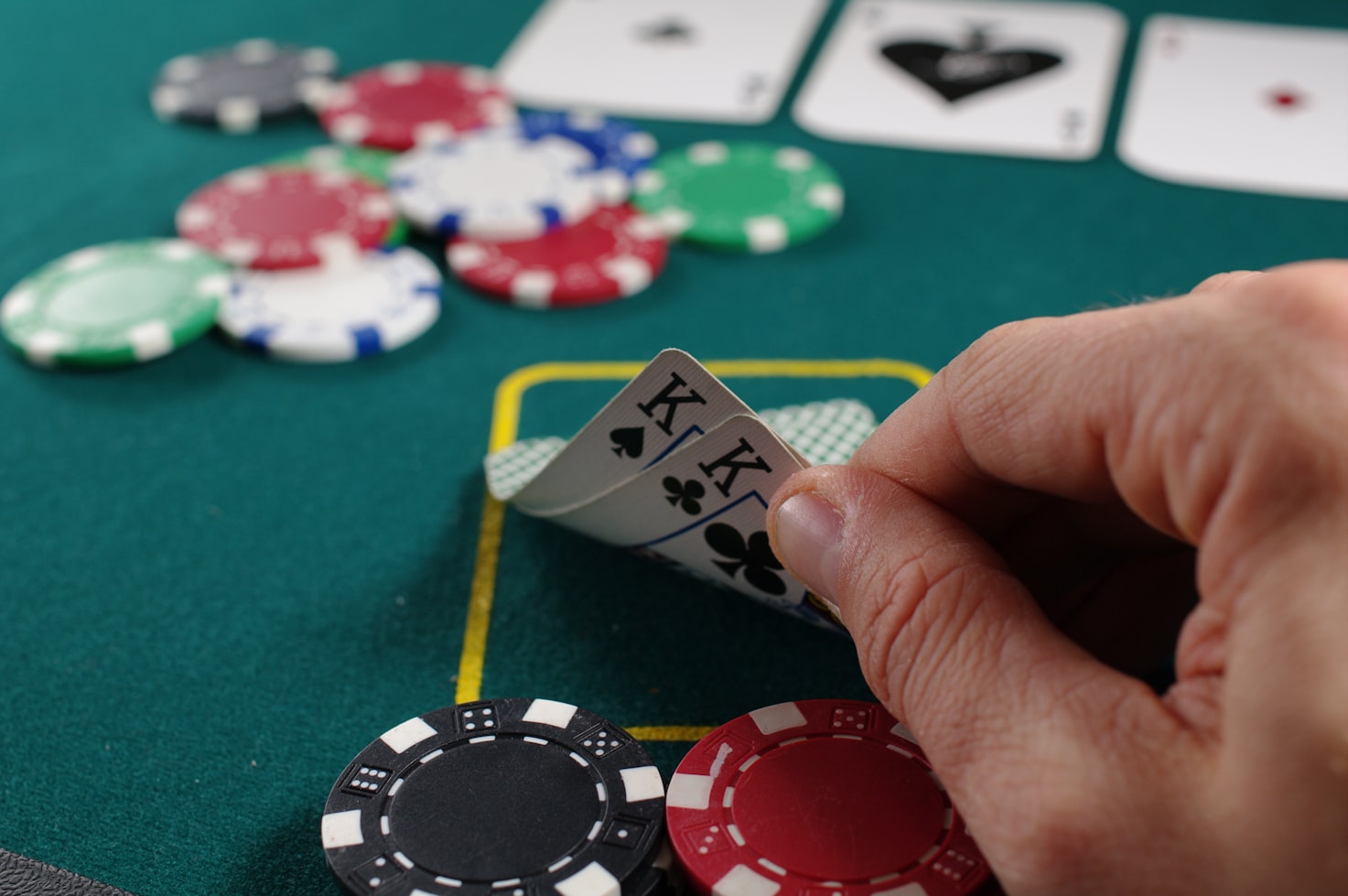
Many people view gambling as a form of entertainment, which can make it difficult to identify when it crosses the line into addiction. It is essential to understand that gambling addiction is not solely about financial loss; it can also include emotional and psychological struggles. The thrill of winning can create a cycle that keeps individuals returning to gambling, often leading to increased stakes and greater losses. Awareness and acknowledgment of these patterns are crucial steps toward seeking help.
Moreover, gambling addiction can affect anyone, regardless of age, gender, or background. Factors such as genetics, mental health issues, and social environment may contribute to the development of this disorder. Understanding the complex nature of gambling addiction can encourage those affected to seek assistance and empower their loved ones to provide support during challenging times. Recognizing these signs is an essential aspect of fostering a healthier future.
Common Signs of Gambling Addiction
One of the primary signs of gambling addiction is the inability to limit or stop gambling despite repeated attempts. Individuals may find themselves drawn to gambling more frequently, spending excessive time in casinos or online platforms, often prioritizing gambling over other life responsibilities. This compulsive behavior can lead to financial instability, as individuals may borrow money or use savings to fund their gambling habits.
Another significant indicator is preoccupation with gambling. Individuals might constantly think about gambling, plan their next gaming session, or relive past gambling experiences. This obsession often interferes with daily activities and responsibilities, including work, relationships, and health. Friends and family members may notice changes in mood or behavior, which can be alarming and warrant intervention.
Additionally, feelings of guilt or remorse after gambling sessions are common among those struggling with addiction. Many individuals report feeling anxious or depressed about their gambling habits but find it challenging to break the cycle. This emotional turmoil can lead to further gambling in an attempt to escape feelings of inadequacy or loss, perpetuating the addiction cycle. Recognizing these emotional signs is vital for those who may be suffering and for their support systems.
The Impact of Gambling Addiction on Relationships
The effects of gambling addiction extend far beyond the individual and significantly impact relationships with family and friends. As gambling becomes the primary focus, loved ones often feel neglected or betrayed. This emotional distance can lead to misunderstandings, conflict, and even the breakdown of relationships. The loss of trust is often irreparable, creating a cycle of loneliness and despair for both the gambler and their loved ones.
Financial instability caused by gambling can also lead to further strain on relationships. Arguments over money often arise, as families face challenges related to unpaid debts or the depletion of savings. The financial burden can cause severe anxiety and stress for everyone involved, leading to a toxic environment. Partners may find themselves in a position where they feel they must monitor their loved ones’ gambling habits closely, which can lead to increased tension and feelings of control.
Moreover, children of those struggling with gambling addiction are particularly vulnerable. They may experience emotional neglect, instability, and confusion regarding family dynamics. This distressing environment can affect their mental health and future relationships, perpetuating a cycle of dysfunction. Understanding the broad impact of gambling addiction on relationships is crucial for recovery and healing, emphasizing the need for open communication and support.
Seeking Help and Recovery Options
Recognizing the signs of gambling addiction is the first step toward recovery. Individuals struggling with this issue should seek professional help from therapists or support groups specializing in gambling addiction. Counseling can provide coping mechanisms and strategies to manage compulsive behaviors effectively. Support groups, such as Gamblers Anonymous, offer a community of individuals facing similar challenges, fostering connection and accountability.
In addition to traditional counseling, various treatment options are available, including cognitive-behavioral therapy. This approach focuses on changing harmful thought patterns and behaviors associated with gambling. By addressing the underlying emotional issues driving addiction, individuals can work toward building healthier coping mechanisms and improving their overall well-being.
Support from family and friends is equally vital in the recovery process. Open discussions about gambling habits can foster a supportive environment and encourage individuals to seek help. Loved ones can play an essential role in providing emotional support and understanding as the individual navigates their recovery journey. This collaborative approach to healing can significantly increase the likelihood of long-term success and a healthier future.

Conclusion and Resources for Support
Recognizing the signs of gambling addiction is crucial for individuals and their loved ones. Awareness of the emotional and behavioral patterns associated with this disorder can lead to early intervention and a path toward recovery. By seeking help through therapy, support groups, and open communication, individuals can reclaim control over their lives and foster healthier relationships.
Resources such as counseling services, hotlines, and online communities provide essential support for those struggling with gambling addiction. These tools can empower individuals to confront their challenges and work toward recovery. Acknowledging the problem and taking proactive steps can create a healthier future, not only for the individual but also for their loved ones.